My publications
You can also find my publications on Google Scholar.
Pre-prints:
- Pagnotta, M., Le Jeune, N., De Nicola, M., & Atal, I. (2022). The impact of the ‘Teachers as Researchers’ program on educators’ sense of efficacy, practice, and collaboration at work: Results from implementation in France 2020-21. EdArXiv. doi:10.35542/osf.io/brvkn Link to the preprint
We conceived and conducted a mixed-methods observational study of the impact on educators of the “Profs-Chercheurs” program in France in 2020-21. A total of 152 educators signed up and 112 joined at least one of the 118 workshops conducted by 10 communities. We examined changes in educators’ sense of efficacy, practice, and collaboration at work. We found evidence of a positive effect on teachers’ sense of efficacy especially for teachers with high baseline measures, as well as evidence of positive changes in practice among teachers and non-teachers. We also found qualitative evidence that the program motivated collaboration at work.

Peer-reviewed articles:
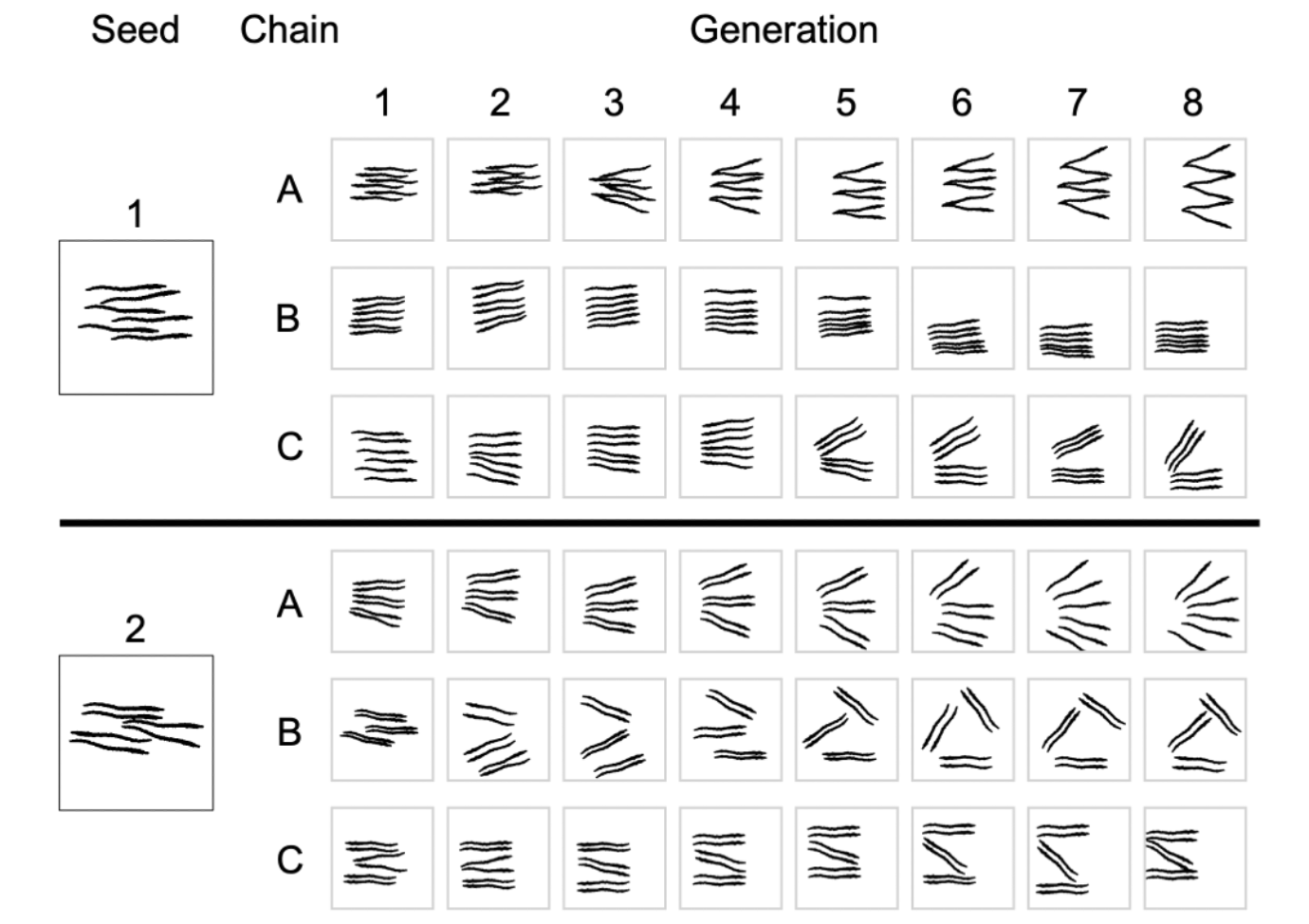
- Pagnotta, M., Tylén, K., Qvist, A. S., Kjeldsen, R. F., Rojo, S., Heimann, K., … Fusaroli, R. (Accepted). Simulating symbolic evolution at Blombos and Diepkloof: implications for using transmission chains to study early symbolic behaviour in humans. Link to the preprint.
We report an experiment which combined transmission chains and perceptual/cognitive tests and was conducted to examine how simple drawings (similar to those produced by humans in the late Pleistocene) change as they are serially reproduced. Our results suggest that cognitive biases and working memory constraints are not sufficient to generate the patterns observed in the archaeological record, highlighting the significance of social and functional contexts in shaping early symbolic artifacts.
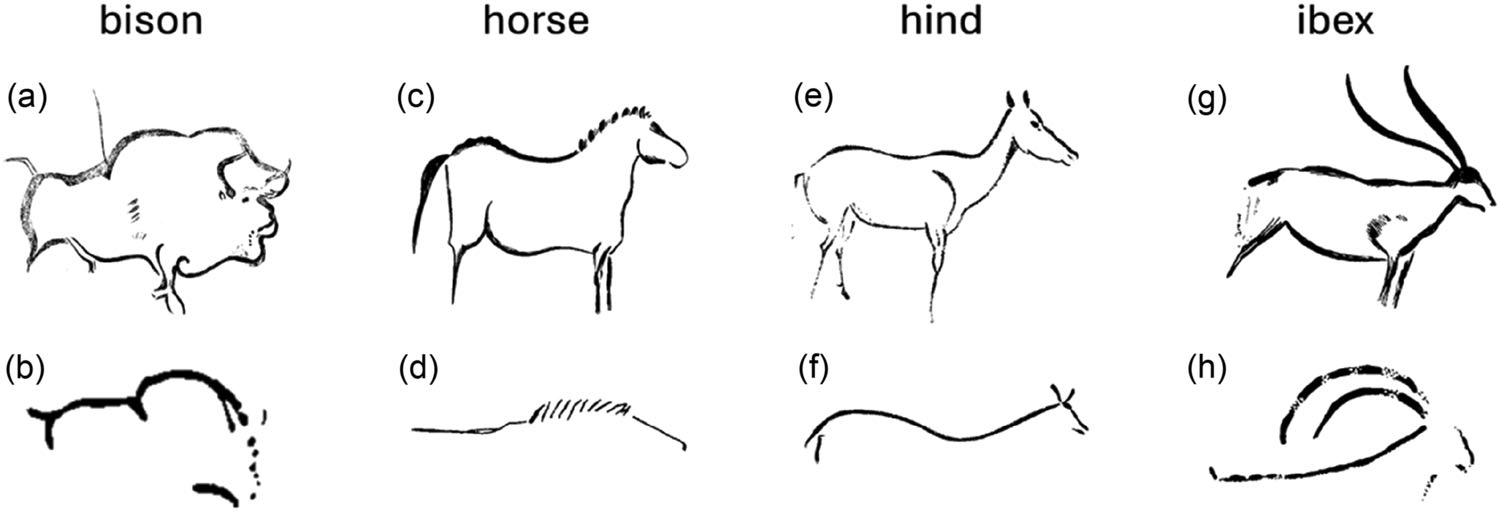
- Pagnotta, M., Psujek, M., Straffon, L. M., Fusaroli, R., & Tylén, K. (2025). Drawing Animals in the Paleolithic: The Effect of Perspective and Abbreviation on Animal Recognition and Aesthetic Appreciation. Topics in Cognitive Science, tops.70023. Link to the article
We report an experiment conducted to examine the roles of perspective and abbreviation in cave art. Our findings challenge some common assumptions and point to a complex interplay of perceptual, technical, and cultural factors in the development of early human art and show how an ecological approach to (picture) perception can bring new insights to inform these discussions.
- Atal, I., Jeune, N., Gabard, C., Dessus, P., & Pagnotta, M. (2025). Citizen science for educational sciences: engaging educators in the production of structured practice-based evidence on a large scale. Teacher Development, 1–22. Link to the article I helped conceive and implement the “Profs-Chercheurs” program, a citizen science project developed to engage a large number of educators in a collective research enterprise about their educational practices. This led to the production and open publication of contextualized practice-based evidence from different educators. The implementation suggests that the program produces meaningful practice-based evidence, is robust, adaptable, engaging, and scalable.
- Pagnotta, M., Wisher, I., Petersen, M. L., Riede, F., Fusaroli, R., & Tylén, K. (2024). The evolution of symbolic artefacts: How function shapes form. Evolution and Human Behavior, 45(3), 261–267. Link to the preregistered report This is a preregistred report of a study I am leading, where we use a transmission chain paradigm and cognitive experiments to test hypotheses about the possible function of early markings made by humans in the late Pleistocene.
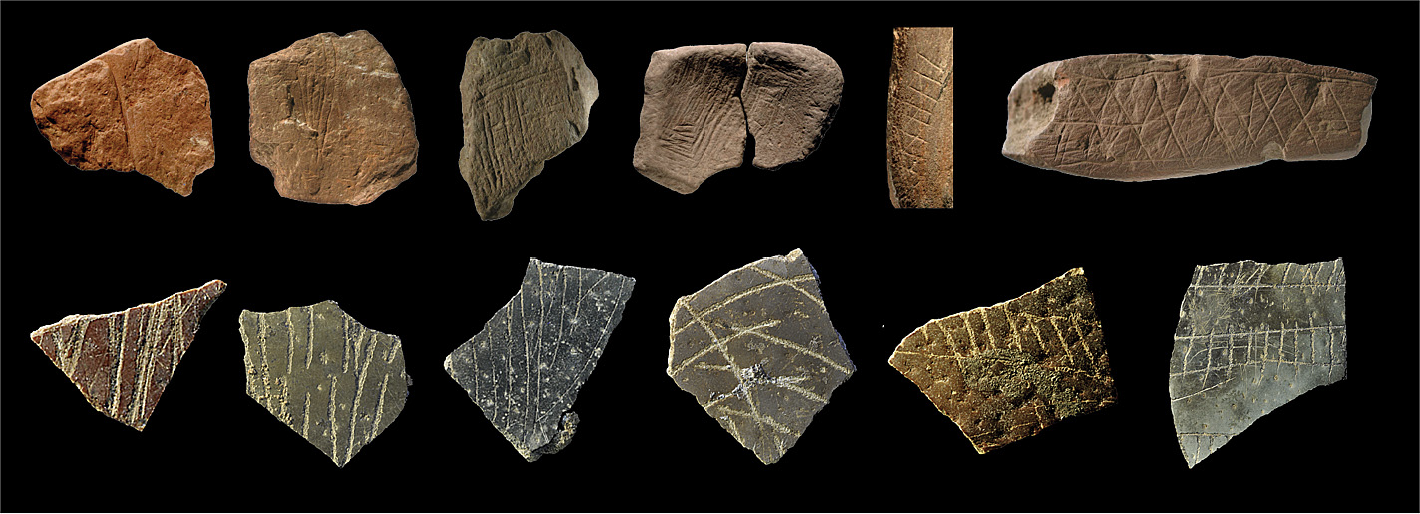
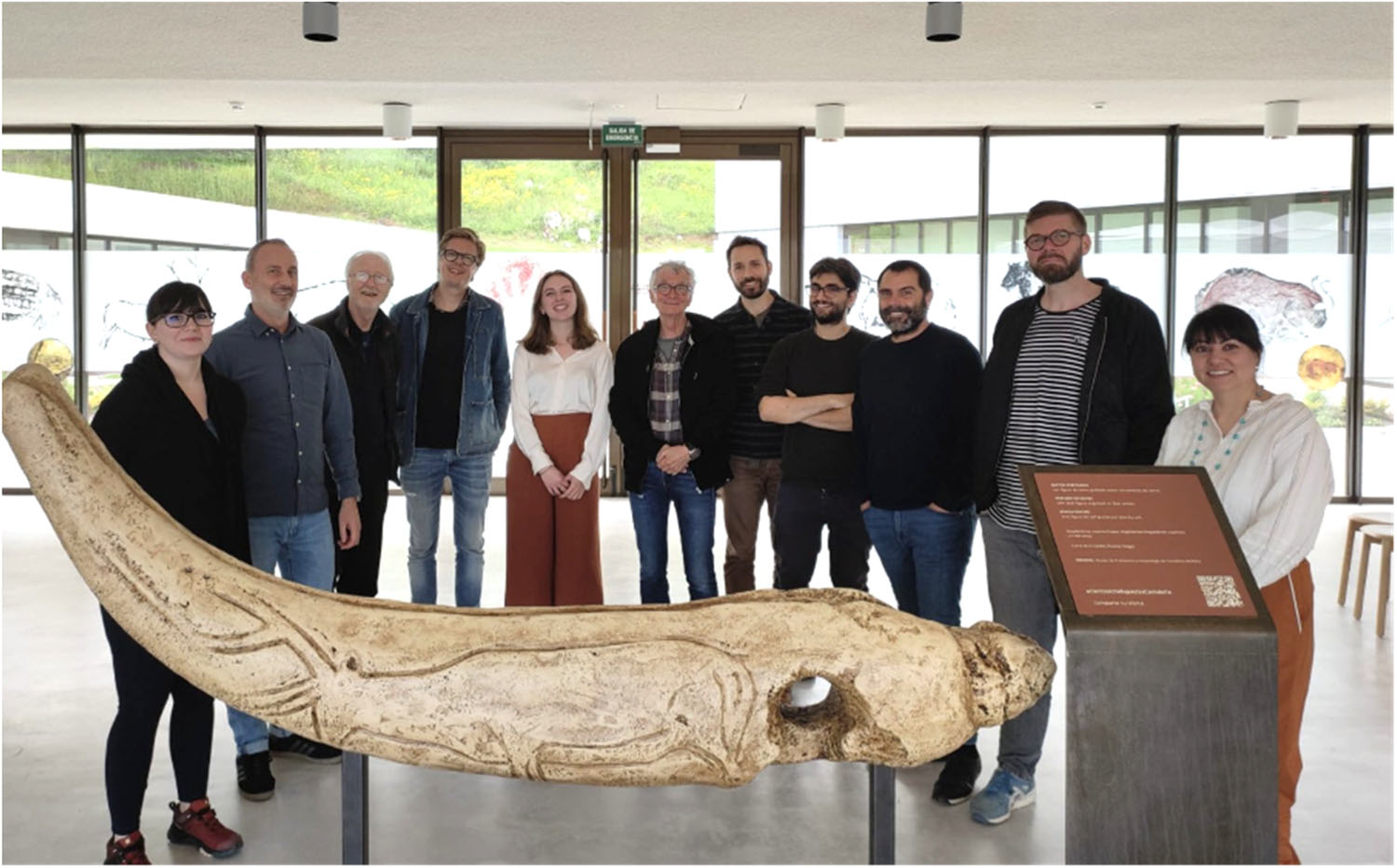
- Wisher I., Pagnotta M., Palacio‐Pérez E., et al. (2023) Beyond the image: Interdisciplinary and contextual approaches to understanding symbolic cognition in Paleolithic parietal art. Evolutionary Anthropology, 32, 256–259. doi:10.1002/evan.21996 Link to the article.
We report a workshop co-organised by IW, KT, and MP, and held at the rock art centre near the Monte Castillo caves in Puente Viesgo (Cantabria, Spain) on 15-16 May 2023. The workshop included eleven participants from archaeology, anthropology, art, psychology, and cognitive science, representing six academic institutions from Denmark, Spain, Norway, and the UK. We discussed different theoretical and empirical approaches to the study of rock art in the Upper Palaeolithic and the implications for the study of the evolution of symbolic behaviour.
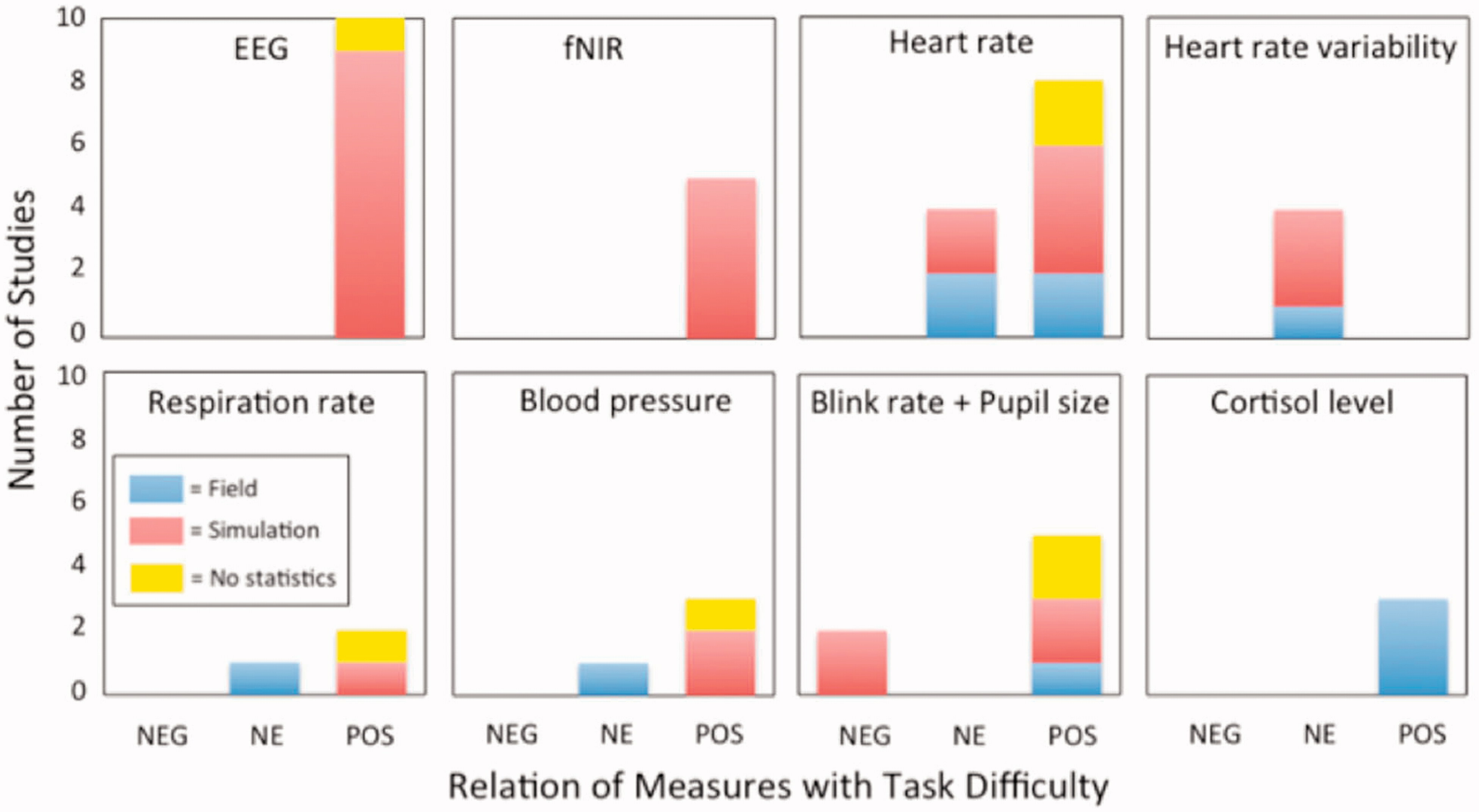
- Pagnotta, M., Jacobs, D. M., de Frutos, P. L., Rodriguez, R., Ibánez-Gijón, J., and Travieso, D. (2022) Task difficulty and physiological measures of mental workload in air traffic control: a scoping review, Ergonomics, 65:8, 1095-1118, doi:10.1080/00140139.2021.2016998. Link to the article
I conceived and conducted this systematic scoping review of empirical research on workload in air traffic control tasks, which summarises the different ways in which task difficulty, performance, and physiological measures of workload are analysed, as well as the reported empirical results concerning their relations. By raising emerging consensus and inconsistencies, we expect this will lead to methodological improvements in the field.
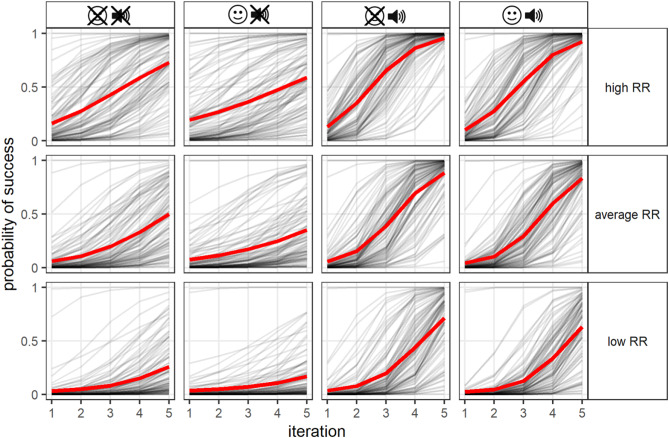
- Pagnotta M.; Laland K.N.; Coco M.I. (2020). Attentional coordination in demonstrator-observer dyads facilitates learning and predicts performance in a novel manual task. Cognition, 201, 104314, doi:104314,10.1016/j.cognition.2020.104314. Link to the article.
I conceived and conducted this empirical study on social learning as part of my PhD. I developed and implemented an innovative methodology combining eye-tracking, recurrence quantification analysis, and Bayesian hierarchical regression. This allowed me to examine the moment-to-moment attentional coordination between model and learner during an observational learning task.
- Navarrete A.F.; Blezer E.L.A.; Pagnotta M.; de Viet E.S.M.; Todorov O.S.; Lindenfors P.; Laland K.N. & Reader S.M. (2018). Primate brain anatomy : new volumetric MRI measurements for neuroanatomical studies. Brain, Behavior and Evolution, vol. 91, pp. 109-117, doi:10.1159/000488136. Link to the article.
I helped validate a new dataset of brain region volumetric measurements of 39 primate species. This will be of value to the community allowing for comparisons across studies. - Pagnotta M. (2014). On the controversy over non-human culture: the reasons for disagreement and possible directions toward consensus. Behavioural Processes, 109, Part A, pp. 95-100, doi:10.1016/j.beproc.2014.04.008. Link to the article.
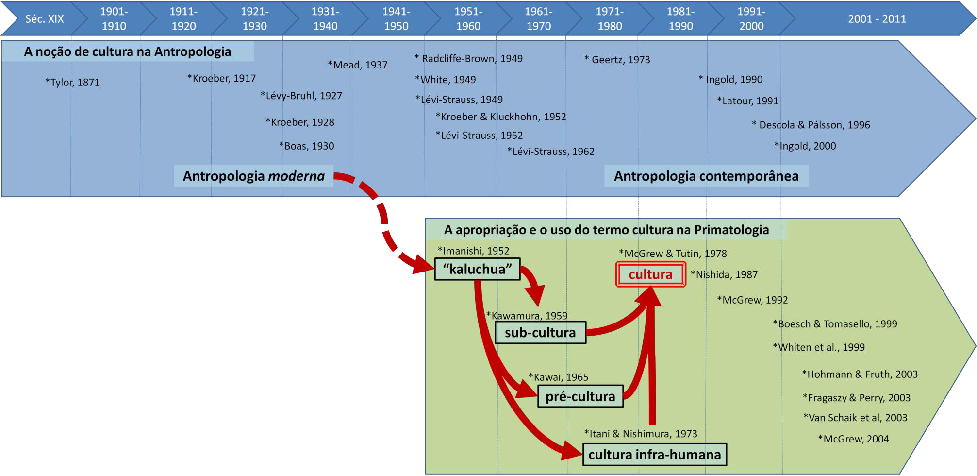
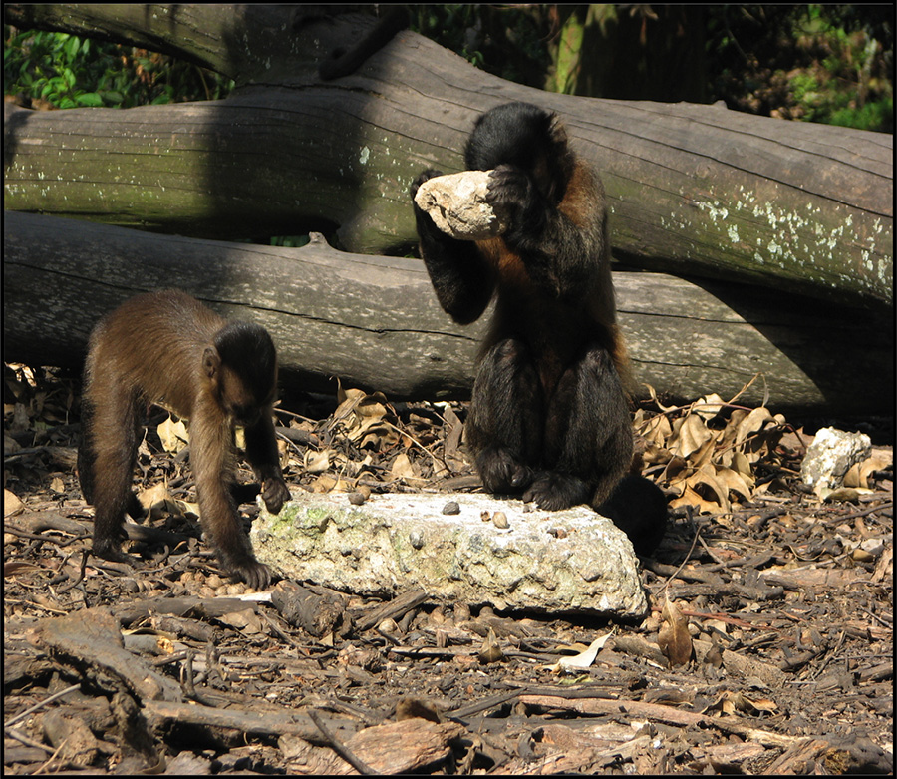
I conceived and conducted conceptual work reviewing the meanings of “culture” for anthropologists and the appropriation of this term by behavioural scientists in recent decades, especially in relation to nonhuman primates. This allowed me to clarify conceptual aspects of the controversy surrounding the claim that nonhuman animals can also be said to be cultural beings, and indicated some directions to move the theoretical discussion forward. - Resende B.D.; Nagy-Reis M.B.; Lacerda F.N.; Pagnotta M. & Savalli C. (2014). Tufted capuchin monkeys (Sapajus sp) learning how to crack nuts : does variability decline throughout development? Behavioural Processes, vol 109, Part A, pp. 89-94. doi:10.1016/j.beproc.2014.09.002. Link to the article.
I helped interpret the results and write this article reporting developmental data about nut-cracking behaviour in capuchin monkeys, one of the best-known cases of tool-related social learning in animals.
- Pagnotta M; Resende B. (2013). A controvérsia em torno da atribuição de cultura a animais não humanos: uma revisão crítica. Estudos de Psicologia (Natal), vol. 18 (4), pp. 569-577, doi:10.1590/S1413-294X2013000400004. Link to the article.
This is an early version of Pagnotta (2014) on the notion of culture in humans and animals. I critically review the meanings of “culture” for anthropologists and the appropriation of this term by behavioural scientists. This piece is one of the first on this topic published in Portuguese.
Book:
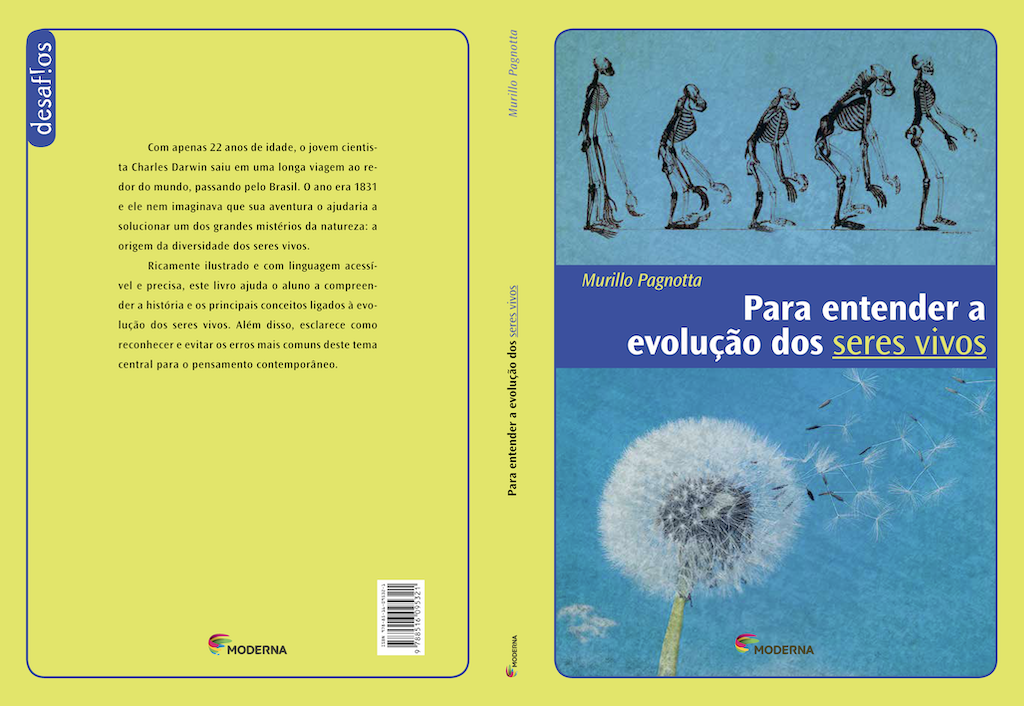
- Pagnotta M. (2015). Para entender a evolução dos seres vivos. São Paulo: Moderna.
I conceived, researched, and wrote this fully-illustrated book for students aged 11-14 years to support primary school teachers in Brazil, where it sold over 2500 copies. The book presents the historical development and the main conceptual components of the Darwin-Wallace theory of evolution by natural selection.
Science communication (invited essay):
- Pagnotta M. (2017). The use and abuse of ‘information’ in biology. The New Atlantis, Number 51, Winter 2017, pp. 93–107. Link to the article
In this invited essay I present a critical discussion of the role of the notion of ‘information’ in processes of biological development, thereby clarifying the different meanings of this term. I intend to expand this work to cognitive processes and publish a peer-reviewed article on this topic.
Dissertations:
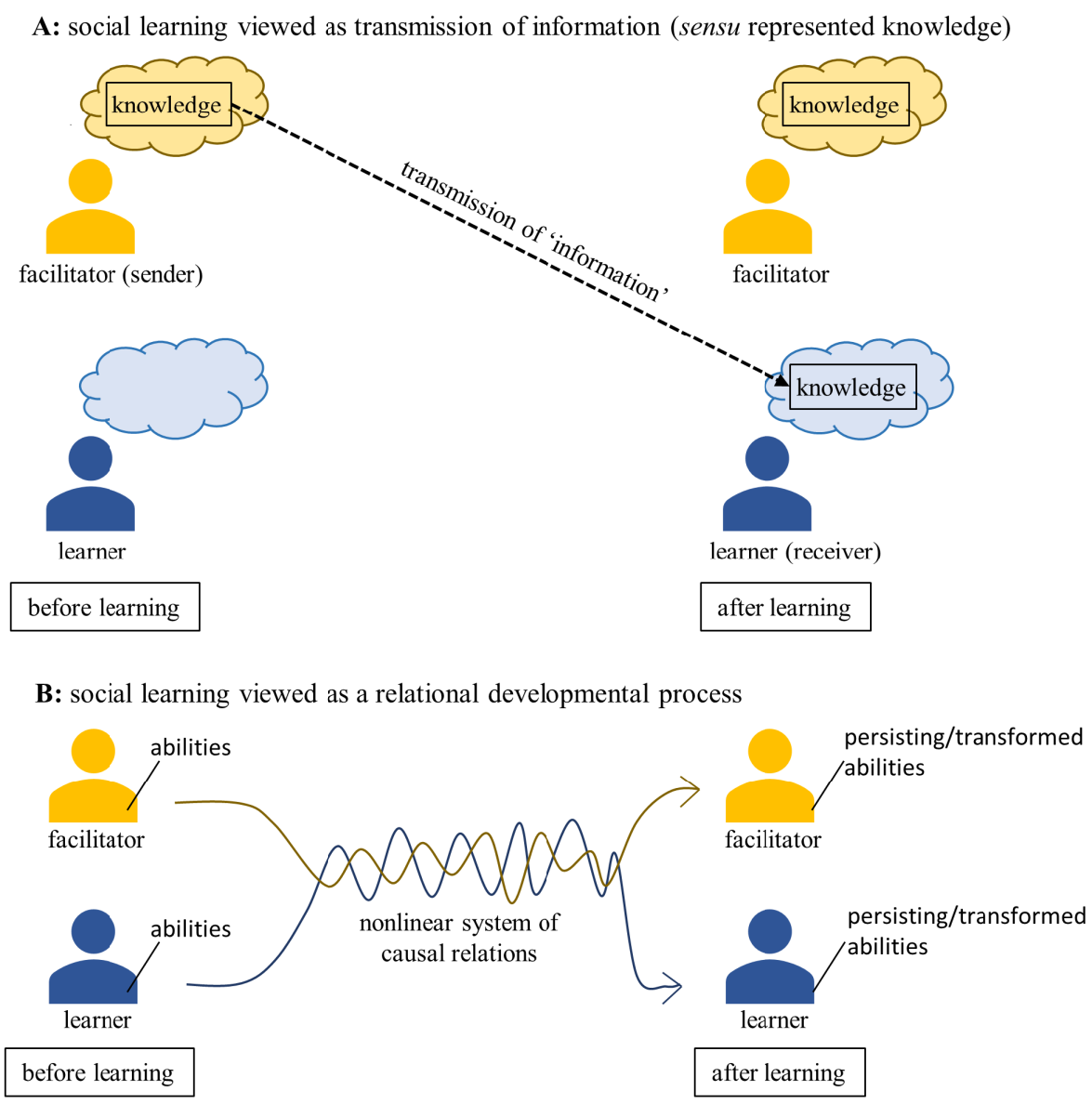
Pagnotta, M. (2018). Living and learning together: Integrating developmental systems theory, radical embodied cognitive science, and relational thinking in the study of social learning [Thesis, University of St Andrews]. Link to the repository
This is my PhD thesis which includes conceptual studies about the notion of information and social learning as well as experimental studies of learning through making together and learning thought observation using videorecording, eye-tracking, and recurrence quantification analysis.
Pagnotta, M. (2012). A atribuição de cultura a primatas não humanos: a controvérsia e a busca por uma abordagem sintética. Master Thesis, Instituto de Psicologia, Universidade de São Paulo, São Paulo. Link to the repository
This is my MSc dissertation on the notion of culture in humans and animals. I critically review the historical development of the notion of “culture” within anthropology and the appropriation of this term by primatologists. A summary article in English was published in Behavioral Processes (link here)